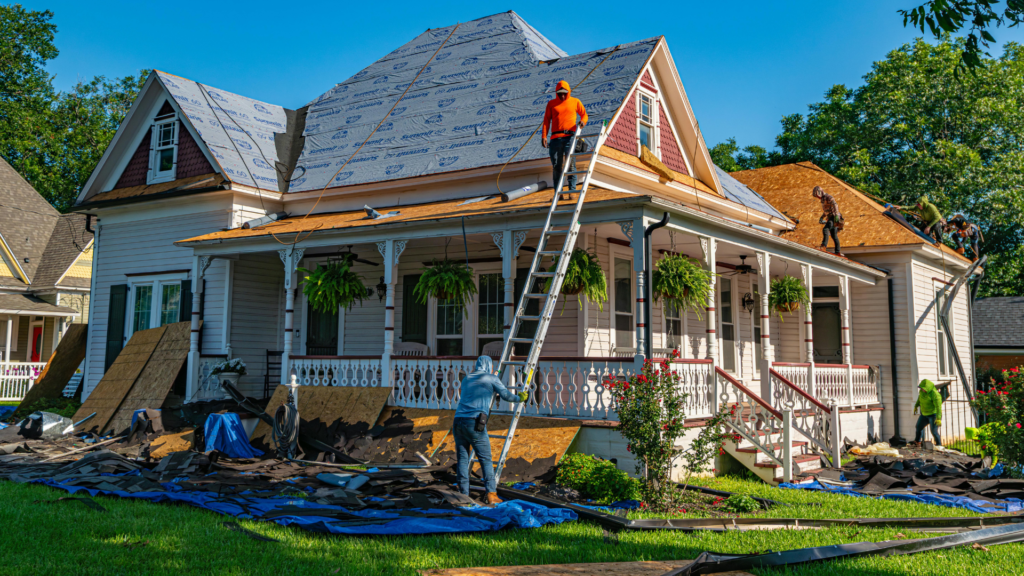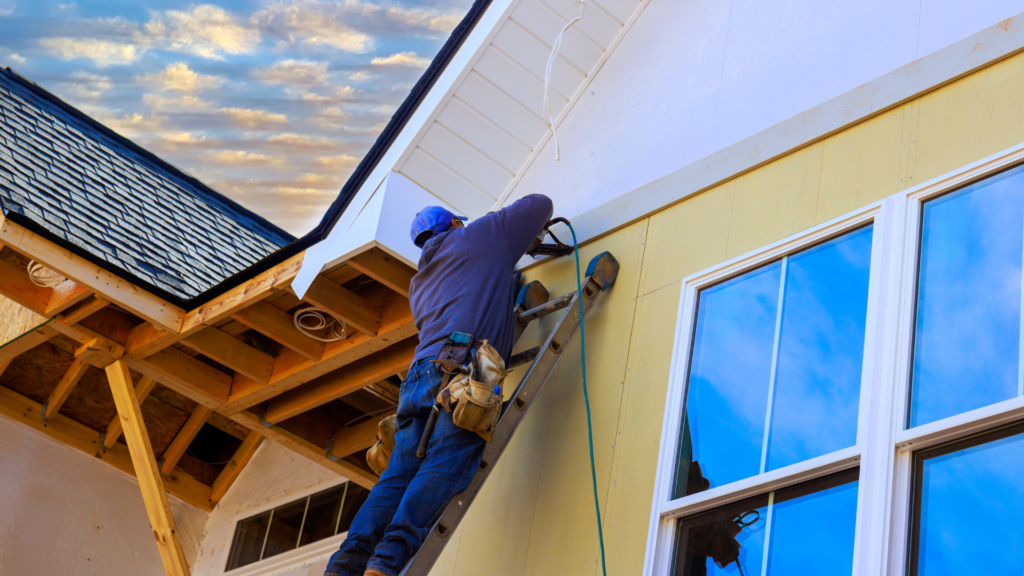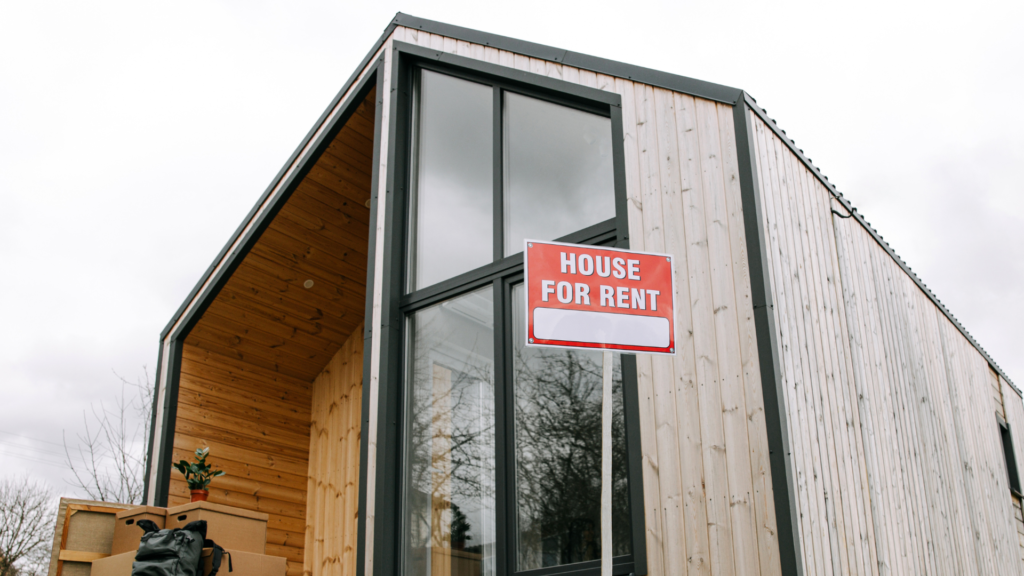
What Is Fix And Flip Investing?
Fix and flip investing is a real estate strategy where investors:
- buy a property below market value
- renovate it
- sell it for a profit
The goal is simple:
- create value through renovations
Unlike rental property investing, house flipping focuses on:
- short-term profits
…rather than:
- long-term cash flow
When done correctly, fix and flip investing can generate significant returns.
When done poorly, it can create:
- budget overruns
- delays
- unexpected losses
That’s why understanding the fundamentals is critical before buying your first property.

How House Flipping Works
The basic process looks like this:
- Find an undervalued property
- Estimate renovation costs
- Estimate resale value
- Purchase the property
- Complete renovations
- Sell the property
- Collect the profit
Although this sounds simple, every step involves risk.
Successful investors spend most of their time:
- analyzing deals
…before they ever buy a property.
Why Investors Flip Houses
Many investors like fix and flip projects because they offer:
- faster returns than rentals
- no tenant management
- the ability to recycle capital quickly
- potentially large profits per deal
However, flipping also involves:
- renovation risk
- financing costs
- market risk
- project management
House flipping is not passive investing.
It is an active business.
Understanding ARV
One of the most important concepts in house flipping is:
- ARV (After Repair Value)
ARV represents the estimated market value of the property after renovations are completed.
Example:
- Purchase price: $220,000
- Renovation budget: $50,000
- ARV: $380,000
Potential gross spread:
Potential gross profit = $110,000
Understanding ARV is critical because every flip decision starts with resale value estimates.
The Main Costs In A Flip Project
Many beginners focus only on:
- purchase price
- renovation costs
But successful flippers account for all expenses.
Typical costs include:
- purchase price
- renovation costs
- financing costs
- holding costs
- closing costs
- agent commissions
- contingency reserves
Ignoring even one of these categories can turn a profitable flip into a losing deal.
Renovation Costs Matter More Than Most Beginners Think
Renovation costs are often the largest variable in a flip project.
Common renovation expenses include:
- kitchens
- bathrooms
- flooring
- paint
- electrical work
- plumbing
- roofing
Before buying any property, estimate repairs conservatively.
Understanding The 70% Rule
Many investors use the:
- 70% rule
…to estimate the maximum purchase price.
Formula:
Example:
- ARV: $400,000
- Repairs: $50,000
Maximum offer:
Maximum recommended purchase price = $230,000
This rule helps investors create:
- profit margins
- safety buffers
…inside deals.
Financing A Fix And Flip
Many beginners assume they need cash.
In reality, flips can be financed using:
- conventional loans
- hard money loans
- private lenders
- partnerships
Each financing option has advantages and disadvantages.
Higher borrowing costs reduce:
- profit margins
Before financing a project, estimate borrowing costs carefully.
Common Beginner House Flipping Mistakes
Overestimating ARV
Many beginners assume renovated homes will sell for more than the market supports.
Underestimating Renovation Costs
Unexpected repairs are extremely common.
Ignoring Holding Costs
Every additional month costs money.
Typical holding costs include:
- mortgage payments
- taxes
- insurance
- utilities
Buying Based On Emotion
Successful flippers buy based on:
- numbers
…not:
- excitement
What Makes A Good Flip Deal?
Strong flip opportunities often have:
- conservative ARV estimates
- manageable renovations
- healthy profit margins
- strong neighborhood demand
- contingency reserves
The best deals are often:
- boring
- straightforward
- easy to understand
…rather than:
- highly complex projects
How To Analyze A Flip Property
Before buying any property, investors should analyze:
- purchase price
- ARV
- renovation budget
- holding costs
- financing costs
- selling expenses
Successful investors spend more time:
- analyzing deals
…than:
- renovating properties
If you want a deeper walkthrough, read this guide next: Analyze Fix And Flip Deal.
Is Fix And Flip Investing Right For Beginners?
It can be.
However, beginners should start with:
- smaller projects
- cosmetic renovations
- conservative budgets
Large structural rehabs create significantly more risk.
Many successful investors build experience gradually before taking on complex projects.
How Experienced Flippers Reduce Risk
Experienced investors typically:
- buy below market value
- estimate conservatively
- include contingency reserves
- move quickly
- avoid emotional decisions
They focus heavily on:
- risk management
…because preserving capital is often more important than maximizing profits.
House flipping activity and housing trends vary significantly by market. Investors often monitor local housing conditions through sources like National Association of Home Builders Market Data before evaluating projects.
Final Thoughts
Fix and flip investing can be a profitable real estate strategy when investors understand:
- ARV
- renovation costs
- financing
- holding costs
- profit margins
The most successful flippers focus on:
- buying correctly
- budgeting carefully
- managing risk
…because profitable house flipping starts long before the renovation begins.