Many investors assume that increasing profits requires buying more properties.
In reality, improving the performance of existing assets can often deliver better returns with less risk.
Whether you own a single-family home, a duplex, or a small multifamily property, increasing cash flow can significantly improve long-term wealth.
Understanding Cash Flow
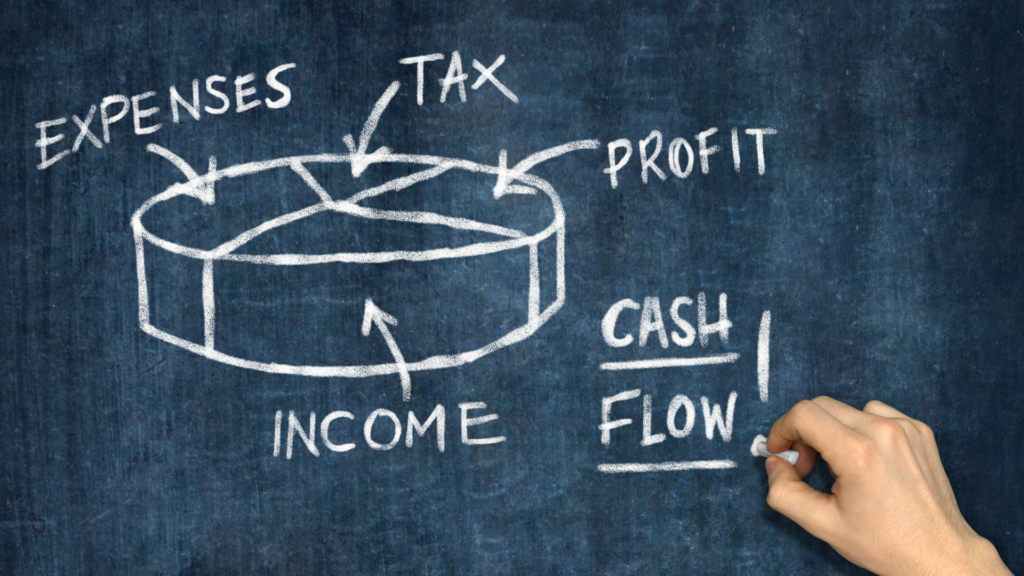
Cash flow represents the money left over after paying all expenses.
Before trying to increase cash flow, it’s important to understand the formula:
Formula:
Cash Flow = Income − Expenses
This means there are only two ways to improve cash flow:
- increase income
- reduce expenses
Most experienced investors focus on both.
For a deeper explanation, see What Is Cash Flow In Real Estate?
Which Improvements Produce The Biggest Impact?
| Strategy | Cost To Implement | Potential Impact |
|---|---|---|
| Mortgage refinance | Low | Very High |
| Moderate rent increase | Low | High |
| Improve occupancy | Medium | High |
| Kitchen refresh | High | High |
| Reserved parking | Low | Medium |
| Shop for insurance | Low | Medium |
Small changes can compound into surprisingly large gains.
A Real Example
Suppose a property currently generates:
- Monthly income = $2,200
- Monthly expenses = $1,900
Current cash flow:
Cash Flow = $2,200 − $1,900 = $300
Now suppose the owner:
- raises rent by $100
- refinances the mortgage and saves $200 per month
- earns an additional $50 from reserved parking
New monthly income = $2,350
Revised monthly expenses = $1,700
New cash flow:
Cash Flow = $2,350 − $1,700 = $650
Monthly profit more than doubles without buying another property.
You can model different scenarios using the Cash Flow Calculator.
Income Strategies Versus Expense Strategies
Successful investors rarely focus on just one side of the equation.
| Increase Income | Reduce Expenses |
|---|---|
| Raise rents gradually | Refinance debt |
| Pet fees | Lower insurance premiums |
| Storage units | Appeal property taxes |
| Reserved parking | Improve energy efficiency |
| Laundry facilities | Reduce maintenance costs |
Combining both approaches usually delivers the best results.
Renovations That Can Increase Rent
Not every renovation increases profitability.
Some upgrades are much more likely to improve rental income.
| Renovation | Effect On Rent Potential |
|---|---|
| Kitchen refresh | High |
| Bathroom update | Medium |
| New flooring | Medium |
| Interior paint | Medium |
| Smart home features | Medium |
| Luxury finishes | Low |
Before starting any project, estimate costs with the Renovation Cost Calculator.
You may also find useful: How To Estimate Renovation Costs Before Buying
Different Properties Require Different Approaches
Single-family homes often benefit from:
- cosmetic improvements
- gradual rent increases
Duplexes and small multifamily properties usually benefit more from:
- reducing vacancies
- improving tenant retention
Vacation rentals can increase profitability through:
- premium amenities
- dynamic pricing
- occupancy optimization
For a broader comparison, see Most Profitable Rental Properties.
Should You Improve The Property Or Buy Another One?
Many investors face this dilemma.
Sometimes improving an existing property produces better returns than purchasing another one.
Factors worth considering include:
- available equity
- financing costs
- expected ROI
- local market conditions
You can estimate overall returns with the ROI Calculator.
You may also find useful: ROI For Investment Property
Why Small Improvements Matter
A $100 monthly increase may not seem impressive.
Over one year:
$100 × 12 = $1,200
Over ten years:
$1,200 × 10 = $12,000
This is why professional investors continuously optimize:
- occupancy
- financing
- operating costs
- tenant satisfaction
Many investors monitor rental trends and market conditions through Apartment List Research.
Final Thoughts
Increasing cash flow on a rental property rarely comes from one dramatic decision.
Instead, it usually results from dozens of small improvements made consistently over time.
The most successful investors understand that maximizing returns isn’t always about buying more properties.
Sometimes, it’s simply about making existing properties perform better.