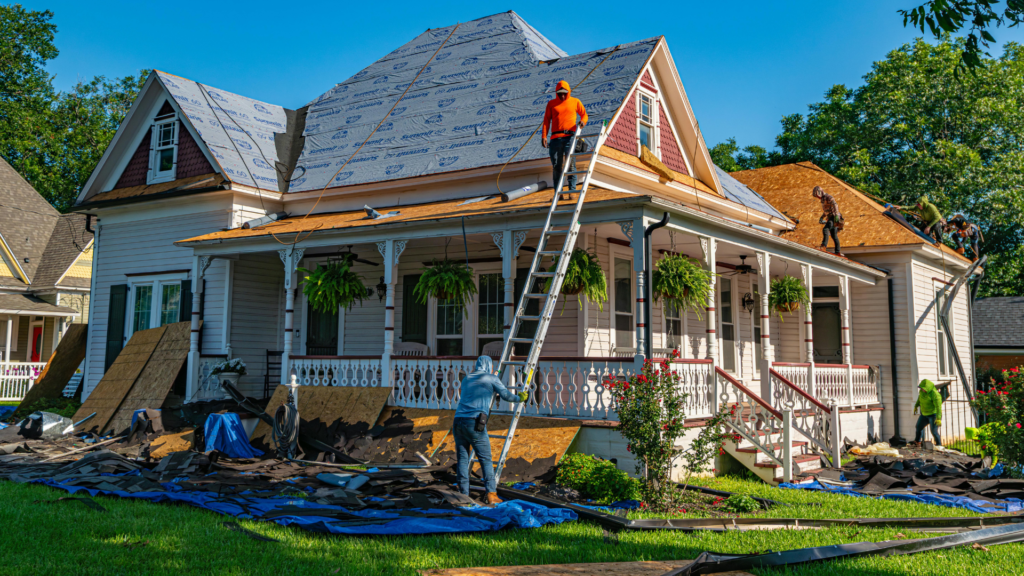
Why Fix And Flip Analysis Matters
Many beginner flippers lose money because they buy properties based on:
- emotion
- optimistic assumptions
- unrealistic resale values
Successful flipping is really:
- numbers
- risk management
- accurate analysis
A property that looks profitable initially can quickly become a bad deal once:
- renovation costs
- financing
- holding costs
- selling expenses
…are fully included.
That’s why experienced investors analyze fix and flip deals carefully before making offers.
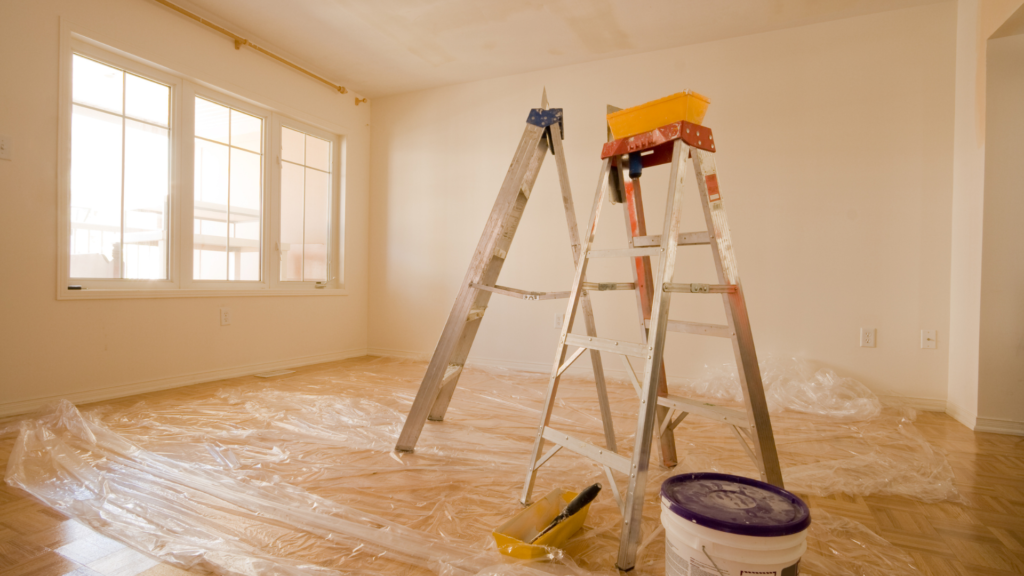
The Core Fix And Flip Formula
Most flip analysis starts with this equation:
ARV stands for:
After Repair Value
This is the estimated property value after renovations are completed.
Total costs include:
- purchase price
- renovation costs
- financing
- holding costs
- selling costs
- contingency reserves
Step 1 → Estimate The After Repair Value (ARV)
ARV is one of the most important numbers in house flipping.
Investors usually estimate ARV using:
- comparable sold properties
- local market trends
- recent renovated sales
The best comparable properties are:
- nearby
- recently sold
- similar size
- similar condition after renovation
Overestimating ARV is one of the most common flipping mistakes.
Housing prices and resale trends vary significantly by market. Many investors compare local housing data through sources like Realtor.com Housing Market Trends before evaluating flip opportunities.
Step 2 → Estimate Renovation Costs
Renovation costs determine whether the deal actually works financially.
Typical renovation categories include:
Example renovation budget:
| Renovation Item | Cost |
|---|---|
| Paint | $4,000 |
| Flooring | $7,000 |
| Kitchen | $18,000 |
| Bathrooms | $10,000 |
| Roofing | $8,000 |
Total renovation budget:
Estimated renovation cost = $47,000
Always estimate renovation costs conservatively before buying.
Step 3 → Estimate Holding Costs
Holding costs are the monthly expenses while the property is being renovated and sold.
Examples:
- mortgage payments
- taxes
- insurance
- utilities
- HOA fees
Example:
- Monthly holding costs: $2,200
- Estimated timeline: 5 months
Holding costs:
Estimated holding costs = $11,000
Longer timelines reduce profitability quickly.
Step 4 → Estimate Selling Costs
Selling costs are another major expense many beginners underestimate.
Typical selling costs include:
- agent commissions
- closing costs
- staging
- photography
- concessions
Example:
- ARV: $450,000
- Selling costs: 6%
Selling costs:
Estimated selling costs = $27,000
These expenses directly reduce flip profits.
Step 5 → Calculate Estimated Profit
Example deal:
| Item | Amount |
|---|---|
| ARV | $450,000 |
| Purchase Price | $280,000 |
| Renovation Costs | $47,000 |
| Holding Costs | $11,000 |
| Selling Costs | $27,000 |
Total costs:
Estimated profit:
Estimated flip profit = $85,000
You can estimate potential returns more quickly using the Flip Profit Calculator.
The 70% Rule In House Flipping
Many investors use the:
- 70% rule
…to estimate maximum purchase price.
Formula:
Example:
- ARV: $400,000
- Repair costs: $50,000
Maximum offer:
Maximum recommended purchase price = $230,000
This rule helps investors build:
- safety margins
…into deals.
Why Contingency Reserves Matter
Unexpected costs happen constantly in renovations.
Examples:
- hidden plumbing problems
- structural damage
- permit delays
- contractor overruns
Many experienced flippers add:
- 10% to 20%
…contingency reserves to renovation budgets.
Without reserves, small problems can destroy profits quickly.
How Financing Impacts Flip Deals
Financing affects:
- profitability
- monthly costs
- risk exposure
Higher interest rates increase:
- holding costs
- total project expenses
Some flippers underestimate how expensive financing becomes during delays.
Always estimate financing carefully before buying properties.
Common Fix And Flip Mistakes
Overestimating ARV
This is one of the most dangerous mistakes in flipping.
Always use:
- conservative resale estimates
Underestimating Renovation Costs
Renovations almost always cost more than beginners expect.
Ignoring Holding Costs
Every extra month costs money.
Time directly affects profitability.
Over-Renovating
Renovations should match:
- neighborhood expectations
Expensive finishes do not always create higher profits.
What Experienced Flippers Focus On
Experienced investors usually prioritize:
- buying below market value
- conservative numbers
- fast project timelines
- strong safety margins
They focus heavily on:
- downside protection
…because protecting capital matters more than chasing unrealistic profits.
Read also: The Most Expensive Renovation Mistakes
Final Thoughts
Successful house flipping depends on:
- accurate analysis
- conservative assumptions
- disciplined budgeting
Before buying a fix and flip property, investors should carefully estimate:
- ARV
- renovation costs
- holding costs
- financing
- selling expenses
…because even small mistakes can quickly eliminate potential profits.