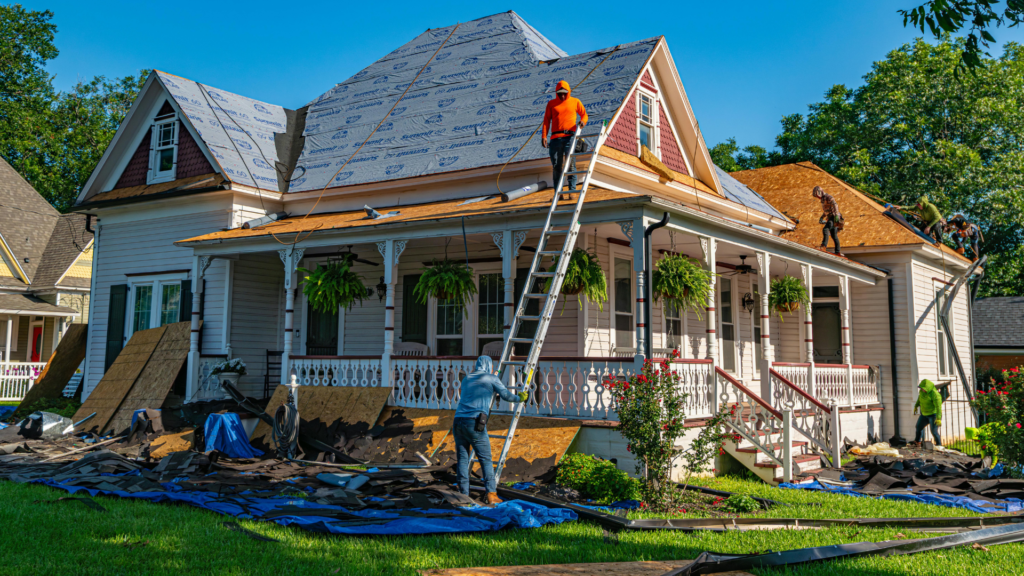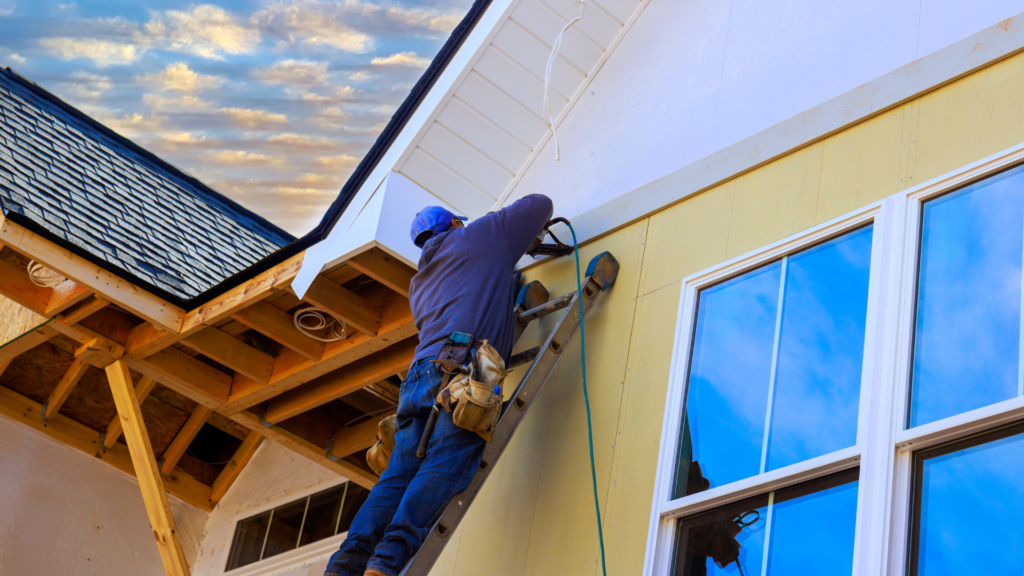
Why House Flipping Looks Easier Than It Is
House flipping often looks simple online.
- Buy a distressed property.
- Renovate it.
- Sell it for profit.
But many beginner flippers underestimate how many hidden costs appear during a project.
A flip that initially looks profitable can quickly lose money because of:
- unexpected repairs
- financing costs
- delays
- contractor problems
- holding expenses
That’s why experienced investors analyze every expense carefully before buying a flip property.
Read also: How To Analyze A Fix And Flip Deal
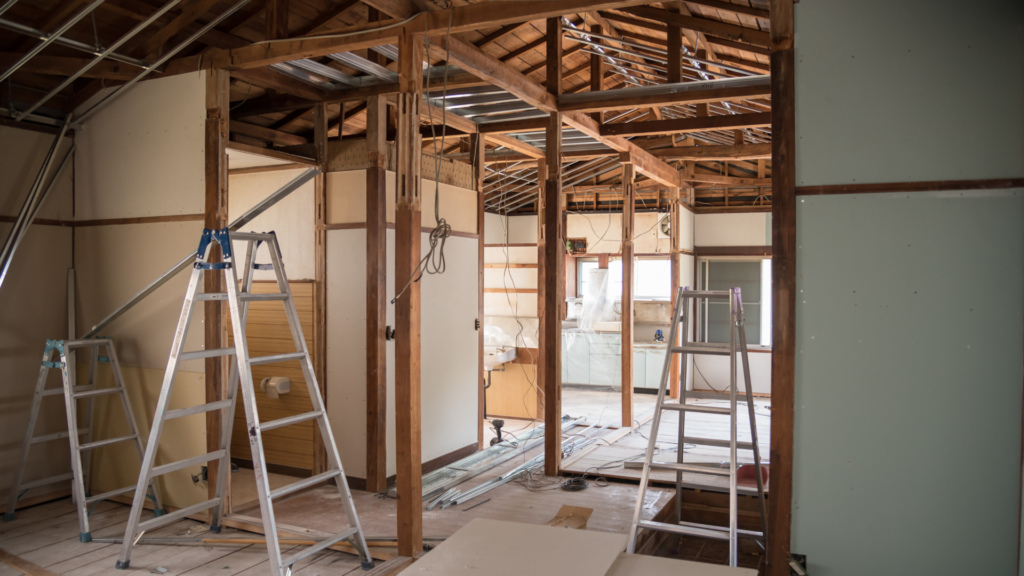
Renovation Cost Overruns
This is the biggest flipping mistake.
Many investors underestimate renovation costs because they focus only on:
- visible cosmetic repairs
But hidden problems are extremely common.
Examples:
- plumbing issues
- electrical problems
- mold
- foundation damage
- roof leaks
- water damage
These issues can add thousands of dollars unexpectedly.
Before buying a property, estimate renovation costs conservatively.
Holding Costs
Many beginners forget that flipping properties costs money every month.
Holding costs may include:
- mortgage payments
- taxes
- insurance
- utilities
- HOA fees
- maintenance
The longer the project takes:
- the more holding costs increase
Example:
- Monthly holding costs: $2,500
- Renovation timeline: 6 months
Total holding costs:
- Holding costs = $15,000
Delays can destroy flip profitability very quickly.
Financing Costs
Financing is one of the most overlooked house flipping expenses.
Many flippers use:
- hard money loans
- bridge loans
- investment property financing
These loans often have:
- higher interest rates
- lender fees
- shorter repayment terms
Higher borrowing costs reduce:
- profit margins
Before buying any flip property, estimate financing carefully using the Mortgage Calculator.
Closing Costs
Many investors forget that they pay closing costs:
- when buying
AND:
- when selling
Typical closing costs include:
- title fees
- attorney fees
- transfer taxes
- lender fees
- escrow fees
- agent commissions
Example:
- Purchase price: $300,000
- Combined closing costs: 4%
Closing costs:
- Estimated closing costs = $12,000
These costs significantly impact profitability.
Contractor Delays
Time is expensive in house flipping.
Contractor delays create:
- additional holding costs
- financing costs
- lost selling opportunities
Common causes:
- labor shortages
- permit delays
- material shortages
- scheduling problems
Many beginner flippers underestimate how quickly delays reduce profits.
Permit Costs
Permits are another hidden expense.
Depending on the renovation scope, investors may need permits for:
- electrical work
- plumbing
- structural changes
- additions
- roofing
Permit fees vary heavily by location.
Some cities also require:
- inspections
- engineering reports
- code upgrades
Ignoring permits can create:
- fines
- delays
- resale problems
Material Price Increases
Renovation budgets can change quickly when:
- material prices rise
Costs for:
- lumber
- flooring
- cabinets
- appliances
- roofing materials
…can fluctuate significantly depending on supply and demand.
Experienced flippers usually build:
- contingency reserves
…into renovation budgets.
Selling Costs
Selling the property also creates expenses.
Examples:
- agent commissions
- staging
- photography
- repairs before sale
- buyer concessions
Real estate commissions alone can consume a large percentage of flip profits.
Example:
- Sale price: $450,000
- Agent commissions: 5%
Commission cost:
- Commission expense = $22,500
Taxes
Many beginner flippers forget:
- taxes reduce profits too
House flipping profits may be subject to:
- income tax
- capital gains tax
- self-employment tax
depending on:
- structure
- holding period
- country/state
Always consult qualified tax professionals before starting large flipping projects.
Over-Renovating
Some investors spend too much upgrading properties.
This is called:
- over-improving
A renovation should match:
- neighborhood expectations
Expensive finishes do not always increase resale value proportionally.
The goal is:
- profitable improvements
…not:
- luxury remodeling
Why Accurate Profit Analysis Matters
Successful flippers analyze:
- purchase price
- renovation costs
- holding costs
- financing
- selling costs
- contingency reserves
…before buying properties.
If you want to estimate flip profitability more accurately, use the Flip Profit Calculator.
Common Beginner Flipping Mistakes
Underestimating Repairs
Unexpected issues happen constantly in renovation projects.
Always budget conservatively.
Ignoring Holding Costs
Time delays can destroy profits quickly.
Every extra month costs money.
Using Unrealistic ARV Estimates
Many beginners overestimate:
- After Repair Value (ARV)
This creates unrealistic profit projections.
Not Having Cash Reserves
Flips often require unexpected cash during renovations.
Insufficient reserves create financial pressure quickly.
Read also: The Most Expensive Renovation Mistakes
How Experienced Flippers Reduce Risk
Experienced investors usually:
- buy below market value
- estimate repairs conservatively
- include contingency reserves
- stress-test profit margins
- move quickly
They focus more on:
- downside protection
…than:
- optimistic projections
Renovation pricing, contractor costs, and housing conditions vary significantly across markets. Many investors compare remodeling trends and resale performance through sources like JLC Remodeling Cost Guide before evaluating flip projects.
Final Thoughts
House flipping involves far more costs than many beginners expect.
The most dangerous hidden costs usually include:
- renovation overruns
- holding costs
- financing
- delays
- selling expenses
Successful flippers understand that profitability depends on:
- accurate numbers
- conservative budgeting
- strong project management
…because even small mistakes can quickly eliminate flip profits.