Equity is the difference between:
- a property’s market value
…and:
- the amount still owed on the mortgage
In simple terms:
- equity represents the portion of the property that you truly own
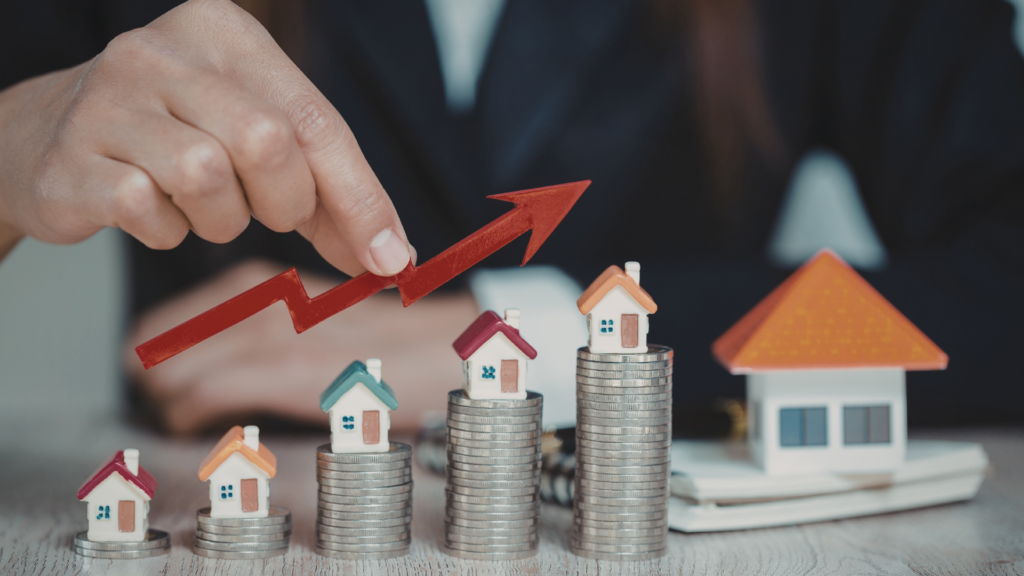
As mortgage balances decrease and property values increase, equity grows.
For many investors and homeowners, equity is one of the biggest sources of long-term wealth.
Why Equity Matters
Equity is important because it can:
- increase your net worth
- provide financial security
- be used to finance future investments
- improve borrowing power
Many experienced investors use equity to:
- purchase additional properties
- renovate existing properties
- increase cash flow
Building equity is one of the major advantages of owning real estate.
How Is Equity Calculated?
The formula is simple:
Example:
- Property value: $400,000
- Mortgage balance: $260,000
Equity:
Equity = $140,000
The larger the difference between value and debt:
- the greater your equity
Equity Example
| Property Value | Mortgage Balance | Equity |
|---|---|---|
| $300,000 | $250,000 | $50,000 |
| $400,000 | $280,000 | $120,000 |
| $500,000 | $300,000 | $200,000 |
Over time, mortgage payments and appreciation can significantly increase equity.
How Equity Builds Over Time
There are two primary ways equity grows:
Paying Down The Mortgage
Each mortgage payment reduces:
- the loan balance
As the balance decreases:
- equity increases
Property Appreciation
If property values rise:
- equity increases
…even without additional mortgage payments.
Example:
- Purchase price: $300,000
- Mortgage balance: $240,000
Five years later:
- Property value: $360,000
- Mortgage balance: $220,000
New equity:
Equity = $140,000
Sources Of Equity Growth
| Source | Effect On Equity |
|---|---|
| Mortgage Payments | Increase equity |
| Appreciation | Increase equity |
| Renovations | Increase equity |
| Falling Property Values | Reduce equity |
| Refinancing | Depends on loan size |
Understanding these drivers helps investors build wealth more effectively.
Equity And Appreciation
Many beginners assume that equity and appreciation are the same.
They are not.
Appreciation refers to:
- increases in property value
Equity refers to:
- ownership value
You can build equity through:
- appreciation
- paying down debt
- renovations
…or a combination of all three.
Equity And House Flipping
House flippers often create equity through:
- renovations
Example:
- Purchase price: $220,000
- Renovation costs: $50,000
- After Repair Value (ARV): $360,000
Understanding property values after improvements is critical.
You can estimate project profitability using the Flip Profit Calculator.
Equity And Rental Properties
Rental property investors often benefit from:
- tenant-paid mortgages
- appreciation
- increasing cash flow
Over time, tenants effectively help investors build equity by contributing to loan repayment.
Investors also monitor overall returns using the ROI Calculator.
Equity vs Cash Flow
Many beginners confuse:
- equity
- cash flow
These are different concepts.
| Metric | What It Measures |
|---|---|
| Equity | Ownership value |
| Cash Flow | Monthly profit |
| ROI | Investment efficiency |
| Cap Rate | Property performance |
Strong investments often provide both:
- growing equity
- positive cash flow
To understand cash flow better, read: What Is Cash Flow In Real Estate?
Can You Use Equity?
Yes.
Property owners may use equity through:
- refinancing
- home equity loans
- lines of credit
- selling the property
Many experienced investors leverage accumulated equity to:
- expand their portfolios
However, borrowing against equity also increases:
- risk
- debt obligations
Common Equity Mistakes
Assuming Appreciation Is Guaranteed
Property values do not always rise.
Ignoring Mortgage Balances
A rising property value does not necessarily mean high equity.
Overleveraging
Borrowing too aggressively against equity can increase financial risk.
Forgetting Selling Costs
Agent commissions and closing costs reduce the amount ultimately received.
How Experienced Investors Build Equity
Experienced investors focus on:
- buying below market value
- making strategic renovations
- holding quality properties long term
- maintaining strong cash flow
They understand that equity growth often compounds over decades.
Many investors monitor housing market trends and home values using resources such as Zillow Research Data to better understand long-term appreciation and market performance.
Equity And Mortgage Payments
Mortgage structure has a major effect on equity growth.
Lower interest rates and shorter loan terms generally allow owners to build equity faster.
If you’re analyzing financing options, estimate different scenarios using the Mortgage Calculator.
You may also find this guide useful: How Mortgage Payments Are Calculated
Final Thoughts
What is equity in real estate?
It is the ownership value you have in a property after subtracting debt.
Equity can grow through:
- mortgage payments
- appreciation
- renovations
Over time, equity becomes one of the most powerful wealth-building tools available to homeowners and investors.
That’s why many successful real estate investors focus not only on:
- cash flow
…but also on:
- steadily increasing equity over the long term.